
Categories
Home Buyers, Home Sellers, Market UpdatesWhy is the GA-400 corridor such a strong real estate market in 2026?
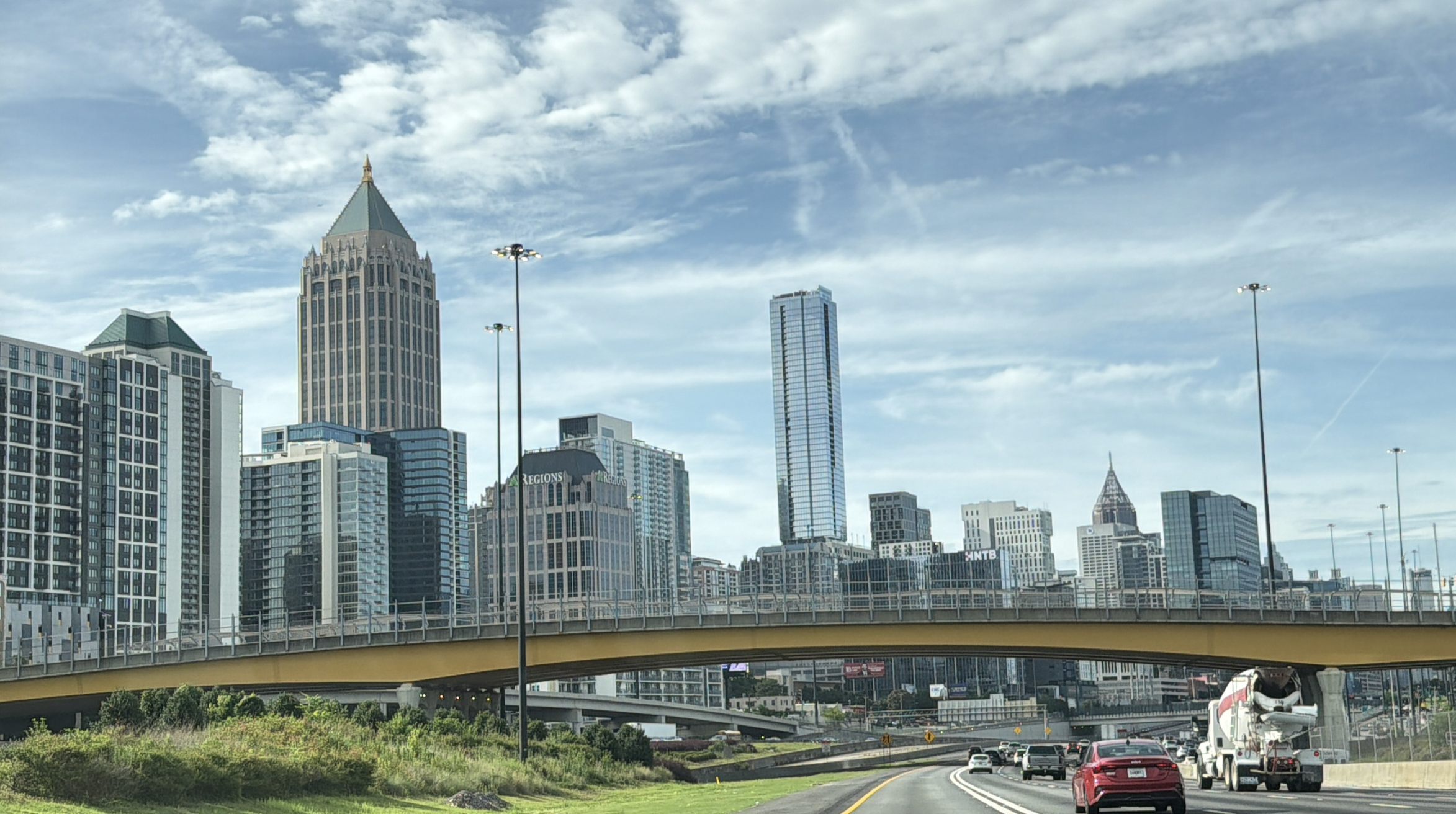
The GA-400 corridor connects some of Greater Atlanta's most desirable suburbs, Sandy Springs, Roswell, Alpharetta, Milton, Johns Creek, and Cumming, directly to Buckhead, the Perimeter, and Midtown. In 2026, that combination of commute access, major employment nodes, and live-work-play development keeps buyer demand elevated along this stretch even as the broader metro market cools. Area medians sit well above the metro average, and well-priced, turnkey listings continue to move faster than the regional norm.What the 2026 Data Actually Shows Along GA-400
The metro-wide picture heading into mid-2026 is one of gradual rebalancing. Propcash's Q1 2026 Atlanta housing market report puts the 11-county metro median closed price at roughly $385,000, down about 2.8% year-over-year, with average days on market around 58, up sharply from 34 days a year earlier, and months of supply climbing to about 5.4 from 3.1. That's a meaningful shift from the frenzied seller's market of 2021-2022.But the GA-400 suburbs don't live at the metro median. Recent Zillow market data for the Greater Atlanta area (trailing roughly 90 days, as of August 2026) shows a metro-wide median sale price of $449,900 and median days on market of just 10 days, and the corridor's key cities sit well above even those figures. Here's how the GA-400 suburbs compare at a glance:
| AREA | MEDIAN SALE PRICE | MEDIAN DAYS ON MARKET |
|---|---|---|
| Roswell | $690,000 | 32 |
| Alpharetta | $750,000 | 39 |
| Atlanta | $575,000 | 6 |
| Dunwoody | $728,500 | 49 |
| Duluth | $430,000 | 55 |
City of Atlanta as a corridor anchor
The city itself sets the pricing floor for the corridor. Realtor.com's June 2026 Atlanta market report puts the city's median list price at roughly $429,000, up about 1.9% year-over-year and nearly matching the national median. Redfin's summer 2026 Atlanta overview shows median sale prices around $425,000 for the three months ending June 2026, up about 1.1% year-over-year, with average days on market rising to about 50 days. Modest appreciation, slightly slower absorption, a soft landing, not a downturn.What makes the GA-400 suburbs notable is that they're sustaining premiums above this already-elevated city baseline, driven by the specific demand factors I'll cover below.
Inventory is tighter here than the national picture suggests
One detail worth flagging: while national inventory has been expanding in many markets, Realtor.com's March 2026 Atlanta market trends report notes that active listings in the city were actually down about 4% year-over-year, even as national inventory rose about 6.2%. New listings dropped roughly 15.8% in that same window. Fewer new options coming to market, paired with steady demand, keeps pressure on buyers in the most desirable commute corridors, including GA-400.For context on transaction volume, Homes.com's June 2026 metro report shows Atlanta-area home sales at roughly 7,262 in June 2026, down from 7,489 in June 2025. Fewer closings metro-wide, but the corridor's premium submarkets are absorbing that slowdown better than outlying areas.
Why Buyers and Sellers Keep Choosing the GA-400 Corridor
The data tells part of the story. The rest is what I hear from clients every week.Direct access to Atlanta's major employment centers
GA-400 is the spine connecting North Fulton and Forsyth County to the Perimeter Center employment district, Buckhead, and Midtown. For tech, finance, and corporate employees, that's not a nice-to-have, it's the reason they're shopping in Alpharetta or Roswell instead of somewhere else. That steady employment-driven demand is a structural support for values along the corridor that doesn't evaporate when mortgage rates tick up.Live-work-play development that holds long-term appeal
Avalon in Alpharetta, Halcyon in Forsyth County, downtown Alpharetta's walkable core, and Roswell's Canton Street district have all matured into genuine destinations, not just retail centers. Proximity to the Chattahoochee River National Recreation Area adds outdoor access that resonates with buyers who want lifestyle alongside commute convenience. These aren't features that depreciate.New construction is an active part of the market
According to Propcash's Q1 2026 metro data, new construction accounts for about 22% of metro closings, and that share skews heavily toward the further-north GA-400 segments: Cumming, Milton, and South Forsyth. If you're buying in those areas, you'll encounter builder inventory and spec homes alongside resale listings. The negotiation dynamics are different, and I walk my buyers through both sides of that comparison before we start touring.Cash buyers and investors remain active
That same Q1 2026 report puts cash sales at roughly 30% of metro closings, a figure that has held relatively stable year-over-year. Investors haven't pulled back dramatically from the corridor, which tells you something about long-term confidence in these submarkets. It also means buyers financing a purchase may still compete against cash offers on the most desirable listings, particularly in Roswell and Alpharetta.What This Means If You're Buying or Selling Near GA-400 Right Now
The honest 2026 story for the GA-400 corridor is this: it's a two-speed market. Premium, turnkey listings in Alpharetta and Roswell still move in under a month. Older or less-updated inventory, and anything priced above current comps, is sitting longer, closer to the 45-60 day metro pattern.For sellers, that distinction matters enormously. The Atlanta REALTORS® Association's 12-county metro median closed sale price came in around $418,000 in March 2026, down about 1.6% year-over-year. Buyers have absorbed that signal. Pricing to peak-era comps from 2022 or even late 2023 will cost you time and, ultimately, money. I've written about this pattern in detail for North Atlanta sellers specifically, the overpricing penalty is real and measurable in this market.
For buyers, the shift toward balance is genuinely good news. Longer days on market and fewer bidding wars mean you're more likely to be able to include inspection contingencies and appraisal protections in your offer, especially on non-entry-level properties. That's a meaningful change from 2021-2022, when waiving contingencies was practically table stakes. WSB-TV's mid-2026 Atlanta housing explainer notes only about 14% of listings are selling above original list price, a far cry from the peak frenzy.
Your specific positioning as a buyer or seller depends on the submarket, the price point, and the condition of the specific property. That's where a current market analysis, not metro-level averages, gives you the real answer. For a deeper look at how North Atlanta's numbers have been trending, my June 2026 North Atlanta housing market update breaks it down in detail.
Broker fees and commissions are fully negotiable and not set by law, there is no standard or customary rate. The listing fee is agreed in your listing agreement, and any compensation offered to a buyer's agent is a separate, optional decision.
Frequently Asked Questions
Is the GA-400 corridor still a good place to invest in real estate in 2026, or has the market cooled too much?
It's cooled from the 2021-2022 frenzy, but the fundamentals, employment access, lifestyle amenities, and constrained new listing supply, remain intact. Roswell and Alpharetta are trading at median sale prices of $690,000 and $750,000 respectively (recent Zillow data, August 2026), well above the broader metro median of roughly $385,000 reported by Propcash for Q1 2026. That premium reflects sustained demand, not speculation, which makes the corridor more defensible as a long-term hold than many other Atlanta submarkets.How do home prices along GA-400 compare to the rest of Metro Atlanta right now?
Significantly higher. The 11-county metro median closed price was around $385,000 in Q1 2026, while Alpharetta's median sale price sits at $750,000 and Roswell's at $690,000 (recent Zillow data, August 2026). Even Dunwoody, at the southern end of the corridor, is at $728,500. Buyers along GA-400 should expect to be shopping well above metro-average pricing, particularly for updated single-family homes near major interchanges.Are buyers finally getting more negotiating power in North Fulton and Forsyth County, or is it still a seller's market?
Buyers have meaningfully more leverage than they did two years ago. Metro days on market rose to about 58 days in Q1 2026 from 34 days a year earlier, according to Propcash, and fewer than 15% of Atlanta-area listings are selling above original list price, per WSB-TV's mid-2026 data. In practice, this means inspection contingencies and appraisal protections are back on the table for most non-entry-level GA-400 properties. Premium, turnkey listings in Alpharetta and Roswell still move faster, so the leverage varies by price point and condition.What does rising days on market mean for my selling strategy near GA-400?
It means pricing accuracy matters more than it has in years. When the market was absorbing everything in days, sellers had room for error. Now, a home that sits for 60-plus days accumulates a stigma that forces price reductions, and those reductions typically cost more than pricing correctly from day one would have. The Atlanta REALTORS® Association's 12-county metro median was down about 1.6% year-over-year in March 2026, so your starting point needs to reflect current closed comps, not what your neighbor got in 2022.How are higher mortgage rates affecting demand in the GA-400 corridor in 2026?
Rate sensitivity is real, especially at the higher price points that define much of the GA-400 corridor. Metro transaction volume is down slightly, Homes.com reports roughly 7,262 closings in June 2026 versus 7,489 in June 2025, and cash buyers (about 30% of metro closings per Propcash) have partially offset that softness. For financed buyers, the practical impact is that purchasing power is constrained, which is one reason sellers can't simply add a premium on top of peak-era comps and expect it to stick. Verifying current rate scenarios with your lender before you start seriously shopping is essential.The GA-400 corridor's 2026 story is sustained desirability meeting a more balanced market, which creates real opportunity on both sides of the transaction if you approach it with current data and a clear strategy. Whether you're buying your first home in Roswell, upsizing in Alpharetta, or preparing to sell in Milton, the right move starts with understanding exactly where your specific property or target neighborhood sits within that picture.
I'm happy to walk you through a current market analysis for your situation. Schedule a consultation and let's look at the real numbers together.